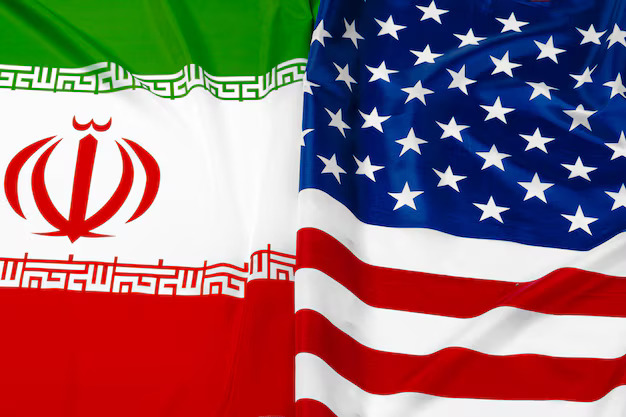
The United States and Iran have successfully brokered a peace agreement aimed at resolving almost four months of hostilities in the Middle East. Officials from both nations confirmed the arrangement, which mandates an immediate cessation of military activities across all involved regions, including Lebanon. President Donald Trump announced the reopening of the Strait of Hormuz, a vital conduit for global shipping, as part of this agreement. This development is anticipated to facilitate the resumption of international oil shipments, potentially alleviating the strain on global energy markets. Despite this progress, discrepancies in statements from the involved parties indicate that the precise timeline for fully restoring access to the shipping lane remains uncertain.
The accord outlines plans for a formal signing ceremony scheduled to occur in Geneva on June 19. Key components of the agreement include the lifting of U.S. naval restrictions and efforts to reinstate commercial shipping operations through the Strait of Hormuz. Additionally, the framework is designed to enhance Iran’s access to international oil markets, a move likely to provide significant economic relief to the nation’s beleaguered economy. However, more intricate issues, such as discussions surrounding Iran’s nuclear program, are slated to be addressed in a 60-day negotiation period, with the objective of achieving a more comprehensive agreement.
Despite the progress marked by this agreement, recent tensions in Lebanon, particularly Israeli military actions, have heightened concerns regarding the stability of the ongoing negotiations. Iran has maintained that any peace deal must encompass all regional conflicts, including the situation involving Hezbollah in Lebanon. This stipulation underscores the complexity of achieving a durable resolution.
While the agreement is hailed as a significant diplomatic milestone, analysts advise caution, emphasizing the challenges of resolving entrenched regional disputes within the proposed timeframe. Issues such as Iran’s missile program and its support for allied groups in the Middle East remain sources of significant concern. These elements underscore the intricate security dynamics that will need to be navigated to ensure long-term peace.
The anticipated reopening of the Strait of Hormuz is projected to positively impact global energy markets. However, experts caution that returning to normal shipping operations and addressing conflict-related damage to infrastructure will likely require several months. The careful execution of these plans will be critical to facilitating a stable and lasting peace in the region.