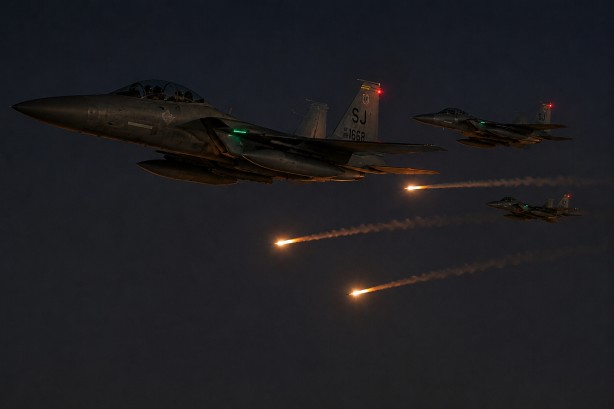
Amid a surge in regional conflicts, the United States and Saudi Arabia have launched coordinated military strikes against positions held by Iran-backed militias in Iraq. This operation was a direct response to a series of regional attacks that have escalated tensions throughout the Middle East.
The US military reported that Iranian ballistic missiles aimed at American forces were intercepted, effectively averting potential damage to a US base located in Jordan. In a stern message, Washington cautioned that further assaults on US personnel or Saudi energy facilities would trigger additional military responses.
The joint military actions specifically targeted sites associated with Iraq’s Popular Mobilisation Forces (PMF), resulting in the deaths of at least 20 militia members and injuring several others, according to official sources.
In a related development, Iran’s Revolutionary Guards announced the interception of three oil tankers navigating the Strait of Hormuz, accusing them of breaching Iranian maritime regulations. This incident has exacerbated fears over the stability of global energy supplies, contributing to an increase in Brent crude oil prices.
The resurgence of hostilities comes after a short-lived cessation in fighting, intensifying concerns about the stability of the region. Iraq has initiated an inquiry into recent drone attacks, although Iranian-backed armed factions have denied any involvement. These unfolding events highlight the mounting security challenges threatening the Gulf and vital international shipping lanes.