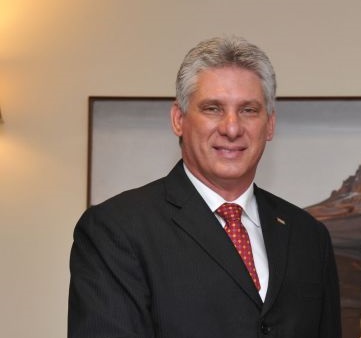
Cuban President Miguel Díaz-Canel has issued a stark warning against potential US military intervention, cautioning that such actions could result in a “bloodbath” with unpredictable repercussions for peace and stability in the region. In a message shared on X, Díaz-Canel emphasized that Cuba poses no threat to the United States.
His remarks come in the wake of a report that surfaced on Sunday, which cited classified intelligence suggesting Cuba had acquired over 300 military drones. The report also mentioned alleged discussions about using these drones to target the US naval base at Guantánamo Bay, US military ships, and Key West, Florida. In response, Cuban Foreign Minister Bruno Rodriguez asserted on social media that Cuba, like every sovereign nation, has the right to defend itself from external threats, invoking the UN charter and international law. He further accused those advocating for aggression against Cuba of using fabricated excuses.
The backdrop to these tensions is a history of longstanding animosity between the US and the communist Caribbean nation, which has intensified following recent developments. The United States, which severed energy supplies to Cuba after the detainment of Venezuela’s president in January, has contributed to the island’s growing woes. The energy crisis has led to severe shortages, with fuel supplies dwindling and electricity often limited to just an hour or two each day.
Recent developments have further strained relations between the two countries. On Friday, reports indicated that US prosecutors are considering indicting former Cuban leader Raúl Castro over the 1996 incident when Cuban forces shot down two planes operated by Brothers to the Rescue, a humanitarian organization. At 94, such an indictment against Castro would represent a significant escalation in the US’s pressure on Cuba, aligning with the Trump administration’s depiction of the Cuban government as corrupt and ineffective, and its broader push for political reform on the island.