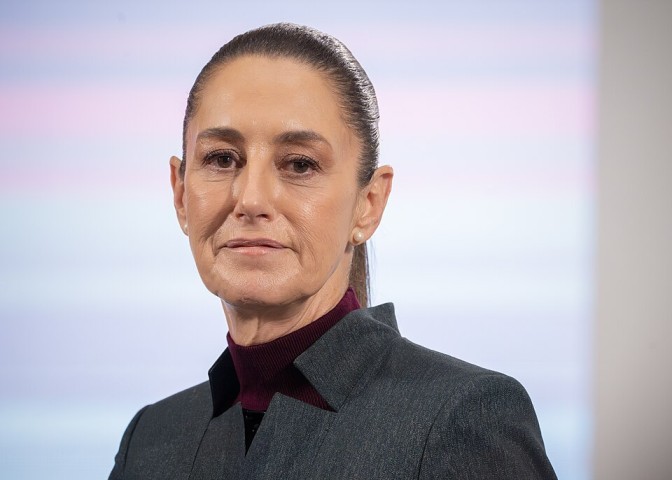
Mounting pressure is confronting Mexico’s President Claudia Sheinbaum following the surrender of two former high-ranking officials from Sinaloa state to U.S. authorities. Both officials, associated with the ruling Morena party, are implicated in alleged connections to the notorious Sinaloa cartel. Last week, Gerardo Mérida Sánchez, the former security minister of Sinaloa, crossed into Arizona and was apprehended by U.S. marshals, according to Mexico’s security ministry. Concurrently, Enrique Díaz Vega, Sinaloa’s former finance minister, was detained in New York. These arrests are part of broader charges laid out last month against ten officials from Sinaloa, including Governor Rubén Rocha Moya, who are accused of facilitating large-scale drug imports into the United States.
Governor Moya has vehemently denied the allegations, branding them as baseless, while Sheinbaum has resisted extraditing him, insisting on further evidence from U.S. authorities. Despite these denials, the apprehension of Mérida and Díaz intensifies the pressure on Sheinbaum, a close ally of former President Andrés Manuel López Obrador, to shield her party and Moya. Arturo Sarukhán, a former Mexican ambassador to the U.S., remarked on the growing perception in Washington that Sheinbaum’s delay tactics might soon backfire, potentially leading others among the accused to cooperate with U.S. law enforcement, which could pose significant risks to Morena.
The decision by Mérida and Díaz to voluntarily surrender rather than wait for extradition bolsters the credibility of the U.S. Justice Department’s charges, analysts suggest. Mexican security analyst Eduardo Guerrero noted that such action indicates the seriousness of the accusations, implying that the two officials might possess valuable information that could further implicate Rocha Moya. Meanwhile, the presence of these officials in U.S. custody strengthens the American case against the Sinaloa governor, as they are likely to provide substantial evidence regarding his activities.
Further challenges await Sheinbaum with looming allegations against more officials within her party. Terry Cole, the Drug Enforcement Agency administrator, recently informed the U.S. Senate that Rocha’s indictment marks only the beginning. The New York Times reported that the Trump administration had instructed federal prosecutors to leverage terrorism laws to target corrupt Mexican officials, a strategy announced by associate deputy attorney general Aakash Singh, who emphasized the need to significantly increase indictments against these officials.
Sheinbaum had initially placated Washington by complying with demands such as deploying troops to curb immigration and extraditing cartel members to the U.S. However, relations have soured amid revelations of CIA operations in Mexico without governmental consent, including allegations of their involvement in the assassination of a cartel member. This escalating tension over targeting current officials, even within Morena, has strained Sheinbaum’s rapport with Washington. Sarukhán warns of a precarious situation akin to falling dominoes, as the pressure threatens to unravel the delicate balance between the two nations.