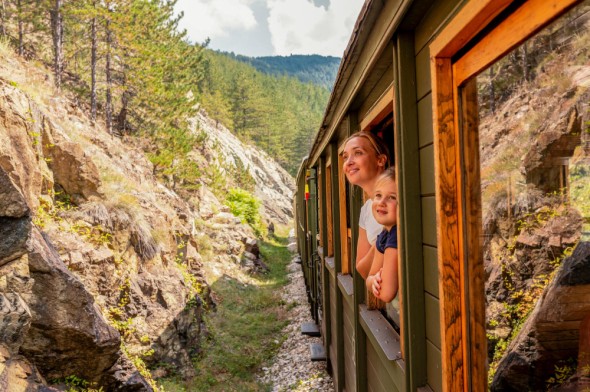
Europe’s coastal railways offer travelers some of the most stunning scenic journeys, where trains run parallel to cliffs, beaches, and expansive waters, transforming the journey into a destination itself. In Scotland, the route from Inverness to Kyle of Lochalsh traverses through Highland valleys and eventually unveils breathtaking views of sea lochs and islands. This journey is characterized by its untouched wilderness and the ever-changing quality of the light.
Heading over to Ireland, the railway from Dublin to Arklow hugs the Irish Sea, passing by cliffs, wetlands, and the majestic Wicklow Mountains. This route presents a seamless blend of coastal splendor with the lush greenery of the countryside, offering a dynamic and picturesque landscape to its passengers.
Germany’s Sylt railway provides a unique travel experience, crossing marshlands and tidal flats. This route allows passengers the rare opportunity to travel directly over the sea via a causeway. Meanwhile, in Spain, the Galicia line offers views of rugged Atlantic cliffs and estuaries, providing a different yet equally captivating coastal perspective.
Italy’s railway along the Calabrian coast offers its own charm, running between towering mountains and the clear turquoise waters of the Mediterranean. Each of these rail journeys reveals Europe’s coastline in its most cinematic form, where every view from the train window is akin to a moving postcard, capturing the diverse beauty of the continent’s shorelines.